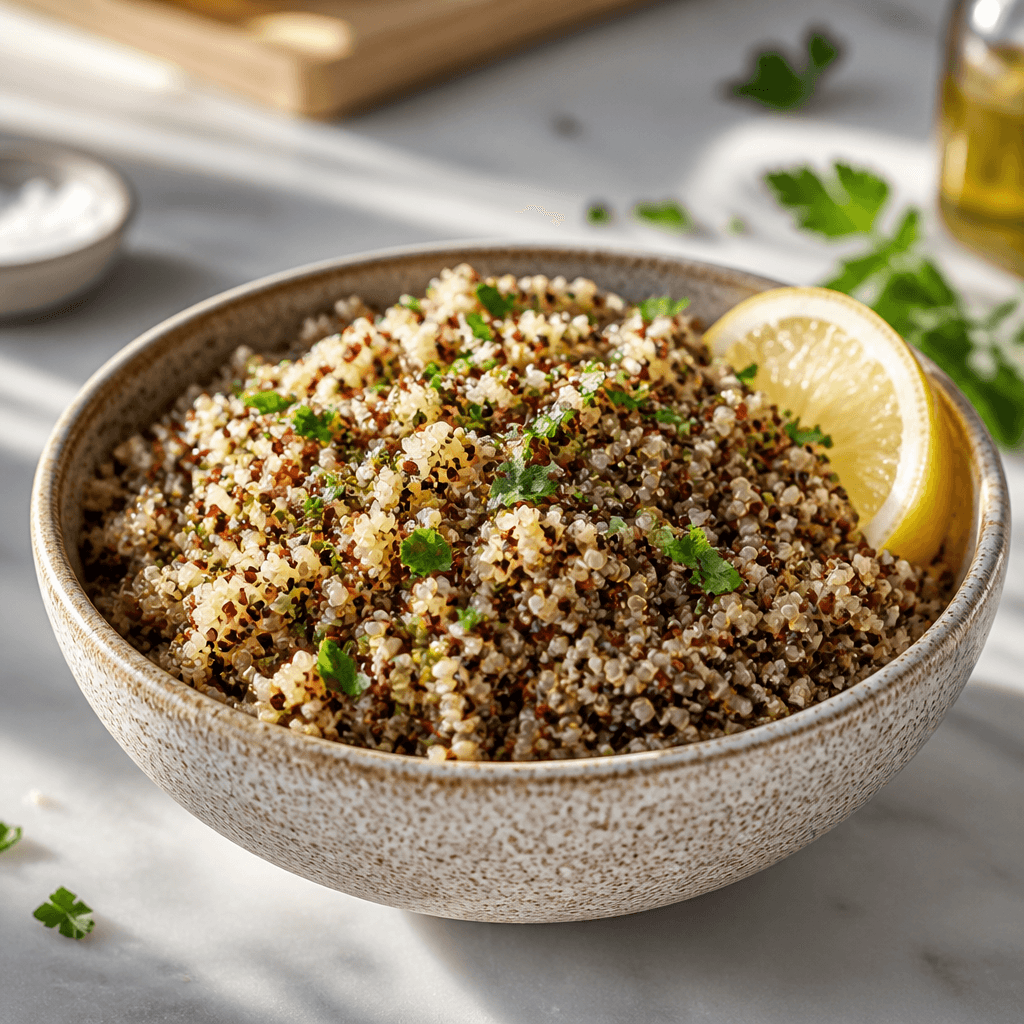
Cauliflower Nutrition Facts: Health Benefits & Diet Profile
Nutrition values per 100g serving
Cauliflower is a versatile cruciferous vegetable that has become a staple in modern healthy cooking. Whether roasted, mashed, or riced, this nutrient-dense food offers a unique profile that supports various dietary goals.
Health Benefits
Digestive Support
With 25g of dietary fiber per 100g, cauliflower is excellent for promoting regularity and maintaining a healthy gut microbiome.
Protein Density
The 12.5g of protein per 100g makes it a surprisingly efficient plant-based source for those looking to increase their daily intake.
Bone Health
Containing 225mg of calcium, this vegetable helps support bone density and skeletal strength as part of a balanced diet.
Heart-Healthy Profile
Being completely free of cholesterol, trans fats, and saturated fats, cauliflower is an ideal choice for maintaining cardiovascular wellness.
Nutrition Summary
Per 100g, cauliflower provides a concentrated source of energy with 312 kcal, featuring a significant 12.5g of protein and 50g of carbohydrates. It is a standout choice for digestive health, offering 25g of dietary fiber and 25g of natural sugars. With 0g of total fat, cholesterol, or saturated fats, it is a heart-healthy ingredient, while its 225mg of calcium contributes to bone health, all while remaining completely sodium-conscious.
Quick Facts
Who Should Eat This?
Cauliflower is an ideal food choice for athletes, vegans, and health-conscious individuals looking to increase fiber and protein intake without adding unhealthy fats.
Full Nutrient Table
| Protein | 12.5 G |
| Total Fat | 0 G |
| Carbs | 50 G |
| Calories | 312 KCAL |
| Total Sugars | 25 G |
| Fiber | 25 G |
| Calcium | 225 MG |
| Iron | 0 MG |
| Sodium | 250 MG |
| Vitamin D (D2 + D3), International Units | 0 IU |
Related Foods