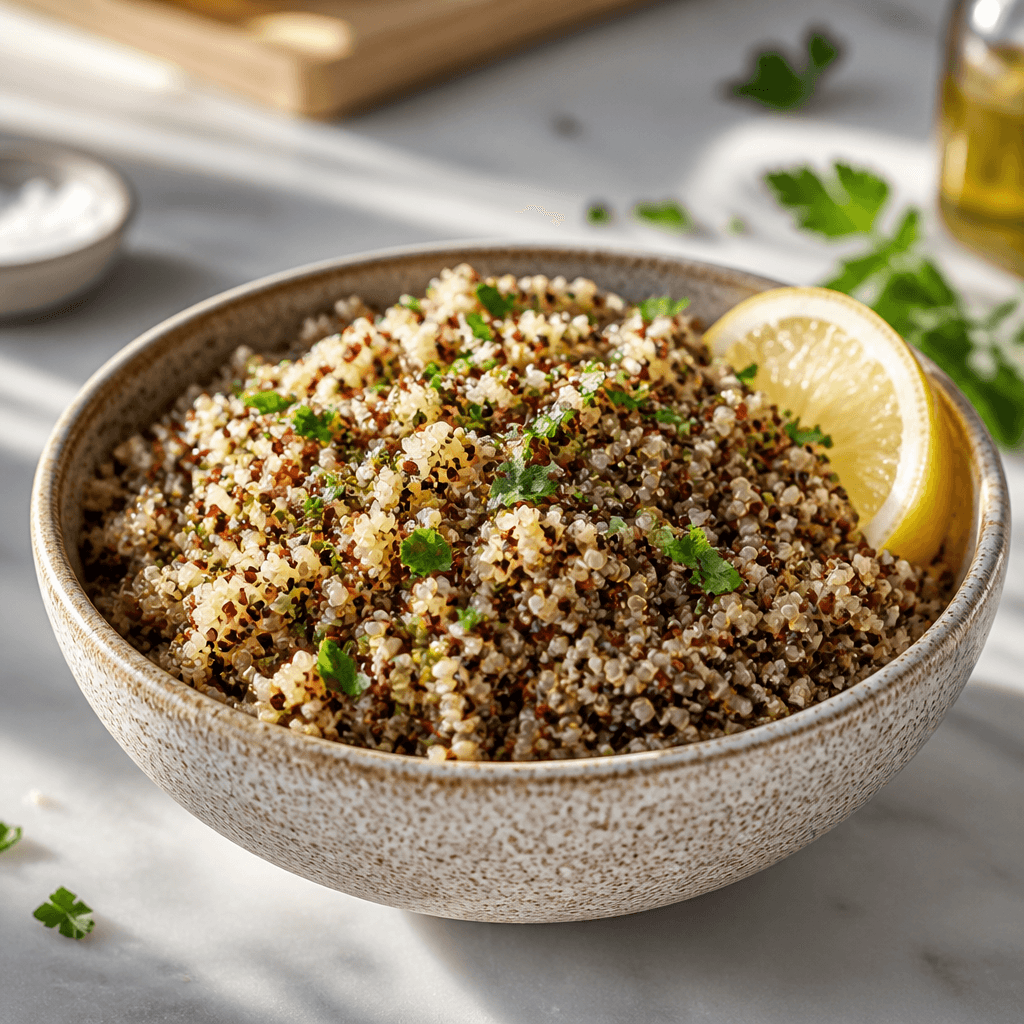
Buckwheat: Nutrition Facts, Benefits, and Healthy Uses
Nutrition values per 100g serving
Buckwheat is a nutrient-dense pseudocereal that has been a staple in global diets for centuries. Despite its name, it is completely gluten-free and offers a hearty, nutty flavor perfect for various culinary applications.
Health Benefits
Supports Heart Health
With 460mg of potassium and zero cholesterol, buckwheat helps maintain healthy blood pressure levels and cardiovascular function.
Digestive Wellness
The high dietary fiber content of 10g per 100g aids in regular digestion and helps maintain a healthy gut microbiome.
Rich in Essential Minerals
Buckwheat is an excellent source of magnesium and phosphorus, which are vital for bone density, energy metabolism, and muscle function.
Excellent Plant-Based Protein
Containing 13.2g of protein per 100g, it provides a diverse amino acid profile, including leucine, arginine, and lysine, making it great for muscle maintenance.
Nutrition Summary
Buckwheat is a powerhouse of nutrition, providing 343 kcal and 13.2g of protein per 100g. It is exceptionally high in dietary fiber (10g), which supports digestive health, and serves as an excellent source of essential minerals including magnesium (231mg), phosphorus (347mg), and potassium (460mg). With 0mg of cholesterol and a balanced profile of polyunsaturated and monounsaturated fats, it is a heart-healthy complex carbohydrate source that also provides significant amounts of niacin, copper, and manganese.
Quick Facts
Who Should Eat This?
Buckwheat is an ideal superfood for individuals following gluten-free diets, athletes needing sustained energy, and anyone looking to increase their daily fiber and mineral intake.
Full Nutrient Table
| Folic acid | 0 UG |
| SFA 4:0 | 0 G |
| SFA 6:0 | 0 G |
| PUFA 20:4 | 0 G |
| PUFA 18:4 | 0 G |
| MUFA 20:1 | 0 G |
| PUFA 22:6 n-3 (DHA) | 0 G |
| PUFA 20:5 n-3 (EPA) | 0 G |
| PUFA 22:5 n-3 (DPA) | 0 G |
| Vitamin D (D2 + D3), International Units | 0 IU |
Related Foods