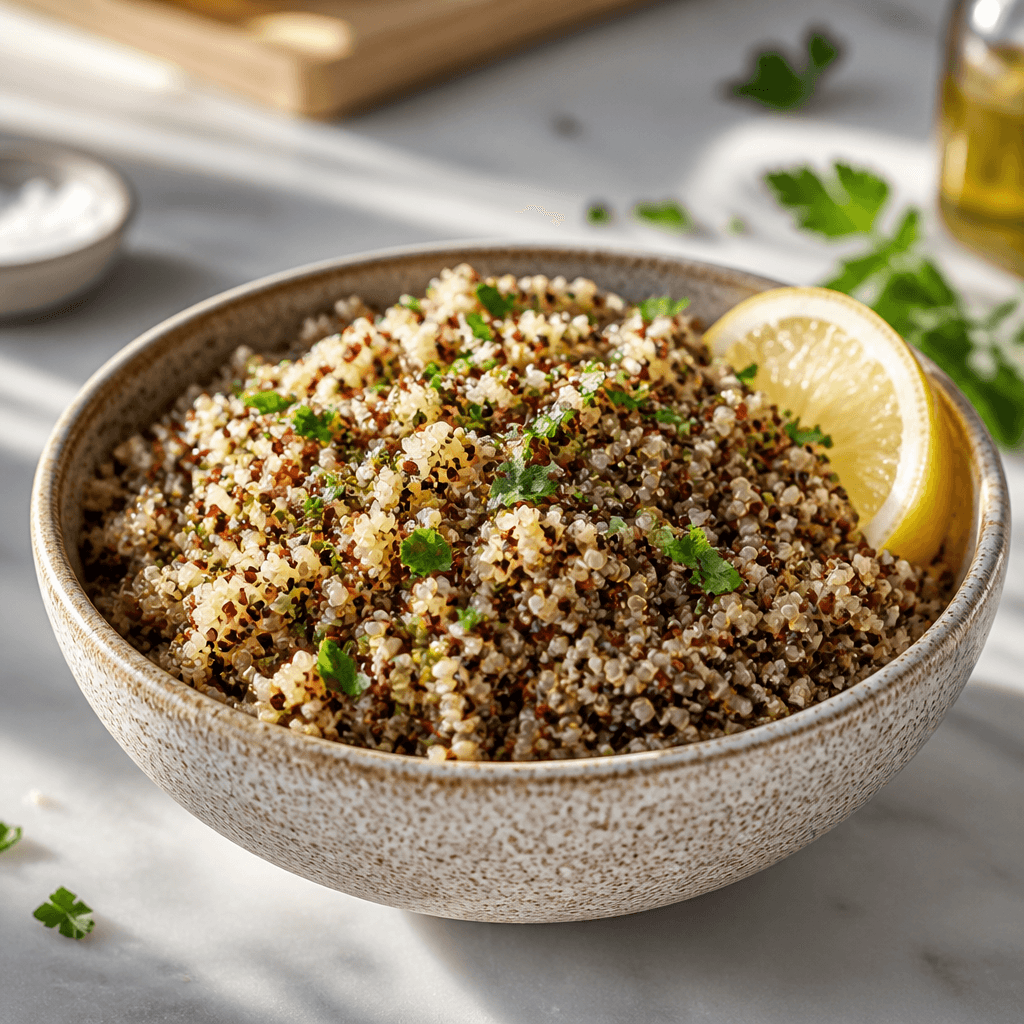
Buckwheat Nutrition Facts: Health Benefits of This Ancient Grain
Nutrition values per 100g serving
Despite its name, buckwheat is not a type of wheat but a nutrient-dense pseudocereal related to rhubarb and sorrel. This ancient grain is naturally gluten-free and has been a staple in global diets for centuries due to its hearty texture and earthy flavor.
Health Benefits
Digestive Support
The 2.7g of dietary fiber per 100g helps promote regular bowel movements and supports a healthy gut microbiome.
Heart-Healthy Profile
With 0g of cholesterol and 0g of trans fats, buckwheat is an excellent choice for maintaining healthy cardiovascular levels.
Sustained Energy
Its complex carbohydrate structure allows for a slower release of glucose, providing steady energy without the rapid sugar spikes associated with processed grains.
Nutrition Summary
Buckwheat is a low-calorie, nutrient-efficient food providing approximately 92 kcal per 100g serving. It is primarily composed of complex carbohydrates (19.6g) and dietary fiber (2.7g), which support steady energy levels and digestive health. With 2.98g of protein and virtually no fat, saturated fat, or cholesterol, it serves as a heart-healthy alternative to refined grains, offering essential minerals like iron and calcium to support overall metabolic function.
Quick Facts
Who Should Eat This?
Buckwheat is an ideal choice for individuals following a gluten-free diet, those seeking plant-based protein sources, or anyone looking to incorporate heart-healthy whole grains into their meals.
Full Nutrient Table
| Protein | 3 G |
| Total Fat | 0.6 G |
| Carbs | 19.6 G |
| Calories | 92 KCAL |
| Total Sugars | 0.9 G |
| Fiber | 2.7 G |
| Calcium | 6 MG |
| Iron | 0.8 MG |
| Sodium | 4 MG |
| Vitamin A, IU | 0 IU |
Related Foods